Furniture / 4 min read
How to show furniture dimensions in product content
Show furniture width, depth and height clearly in product photographs, with readable measurements and practical questions about room fit and delivery.
Start with verified measurements
Use the product record or a careful measurement approved by the showroom. Distinguish width, depth and height clearly. For a piece that changes size, record both relevant states and explain which is shown. Do not copy dimensions from a visually similar model. Keep the unit consistent and include it with every measurement so a number cannot be misunderstood.
Pair dimensions with a natural view
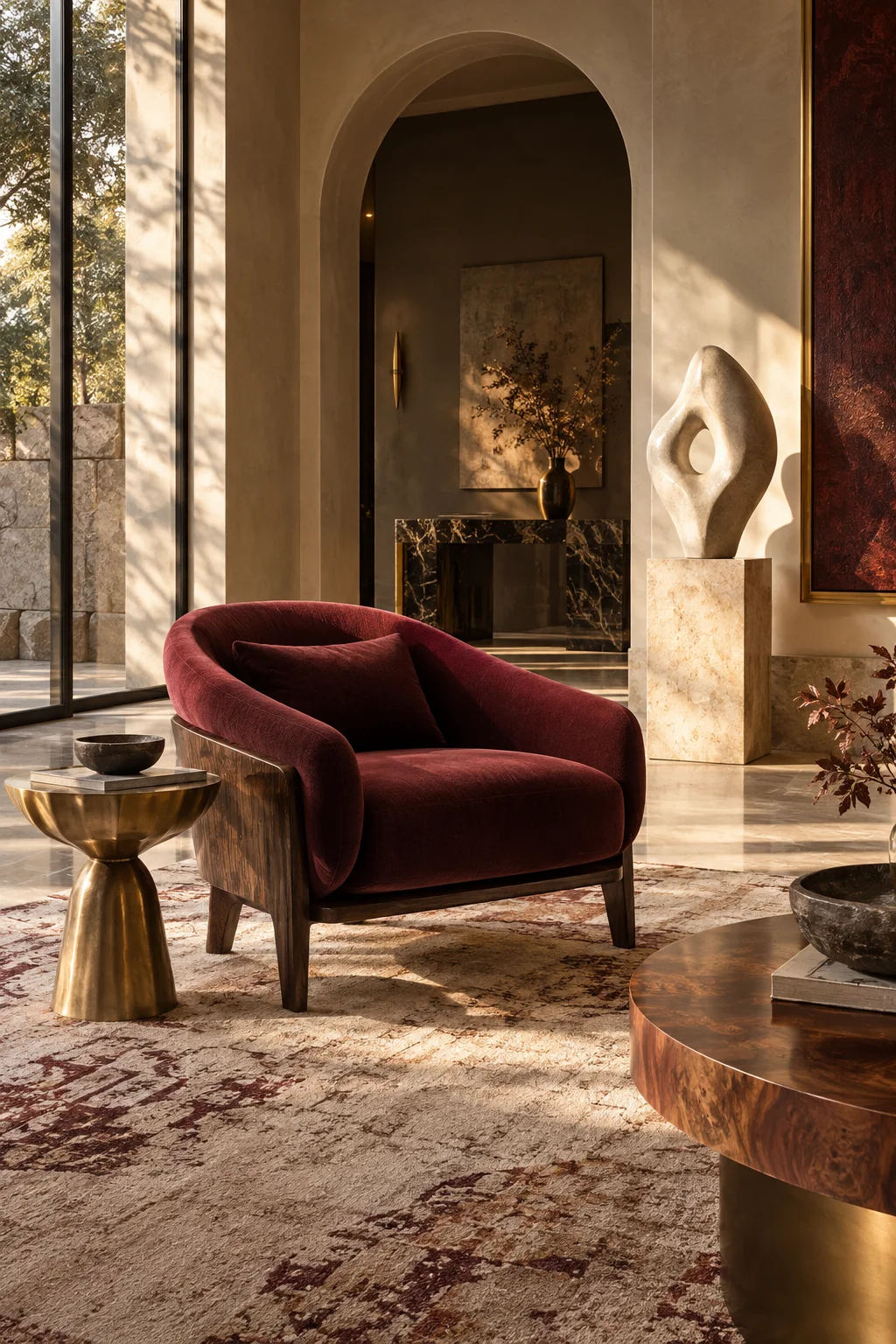
A simple full view gives the measurements context. Avoid an extreme wide-angle photograph that exaggerates depth or makes a large piece appear compact. Photograph the product from a natural height and leave its edges visible. A styled room may inspire, but the dimensions should remain easy to find in the accompanying information.
Include clearances when verified
Opening doors, pulling out chairs and using an extension feature can require additional space. Show those actions where appropriate and explain the distinction between the item’s dimensions and usable space around it. Do not invent a universal room-size recommendation. Layout, doorways and other furniture vary; customers may need product-specific advice.
Keep annotations readable
If dimensions are marked on an image, use a few clear labels and lines that do not cover the product. Avoid crowded graphics with decorative badges and many unrelated claims. A caption or separate dimension image may be cleaner. Check the export on a phone, where small measurement text can become unreadable.
Make delivery questions a separate check
A product fitting the room does not automatically mean it fits through stairs, lifts or doorways. Encourage customers to discuss access with the store using its actual delivery process. Do not promise installation or dismantling services without confirmation. Product content can prompt the right question while leaving final advice to someone who knows the item and the address.
Show a measurement example with the axes named
Consider an illustrative sofa with a width of 210 cm, depth of 90 cm and height of 85 cm. Those numbers describe an example, not a product in Srajan’s portfolio. On a showroom’s own product image, label the actual verified width across the front, depth from front to back and height from the floor to the stated highest point. Explain whether loose cushions, removable legs or other features affect the measurement. A label that simply says “210” forces the customer to guess both the direction and unit. Use a separate frame for the measurement graphic if adding all three labels makes the room photograph difficult to read.
Separate the room-fit question from the delivery question
A customer may have enough floor space for a sofa but a narrow staircase or lift on the route to the room. Product content should make that distinction visible. Encourage them to measure their intended position and discuss the access route with the showroom’s delivery team. If the store offers a site assessment, mention it only when confirmed. Do not calculate a guaranteed fit from one doorway measurement or a photograph shared in a comment. Packaging, turns, removable components and handling requirements vary. The content can prepare the customer to ask a better question while the team checks the particular item and route.
Write the product information in one consistent order
An example listing structure is: model name; width × depth × height, with units and the order written out; a clear product image; and any separately verified open or extended dimensions. Follow it with the finish, included components and the store’s approved delivery information where available. Use the same order across posts and catalogue entries so customers do not mistake depth for height when comparing two pieces. Have a team member compare the image labels with the product record before publishing. A simple, consistent measurement set is more useful than a dramatic room photograph that leaves the size uncertain.
Before you publish
A small final check.
- Measurements match the exact model
- Units shown consistently
- Moving states and access questions distinguished
With Srajan
Bring more of your world into view.
Explore how Srajan approaches creative work for furniture businesses.
Explore our furniture workFurniture · 3 min read
Furniture showroom content ideas that help people picture the room
Show scale, materials and everyday use rather than another isolated product image.
Read the article: Furniture showroom content ideas that help people picture the room
Furniture · 3 min read
Furniture reel ideas built around everyday questions
Use movement to show function, proportion and finish.
Read the article: Furniture reel ideas built around everyday questions